SEO
How to Get More People to Find Your Website
To get more people to find your website, you need to employ a combination of online marketing strategies. Think of it like building a lighthouse: not only does it need to be sturdy and reliable itself (website design and content), but more ships need to see its light (promotion).
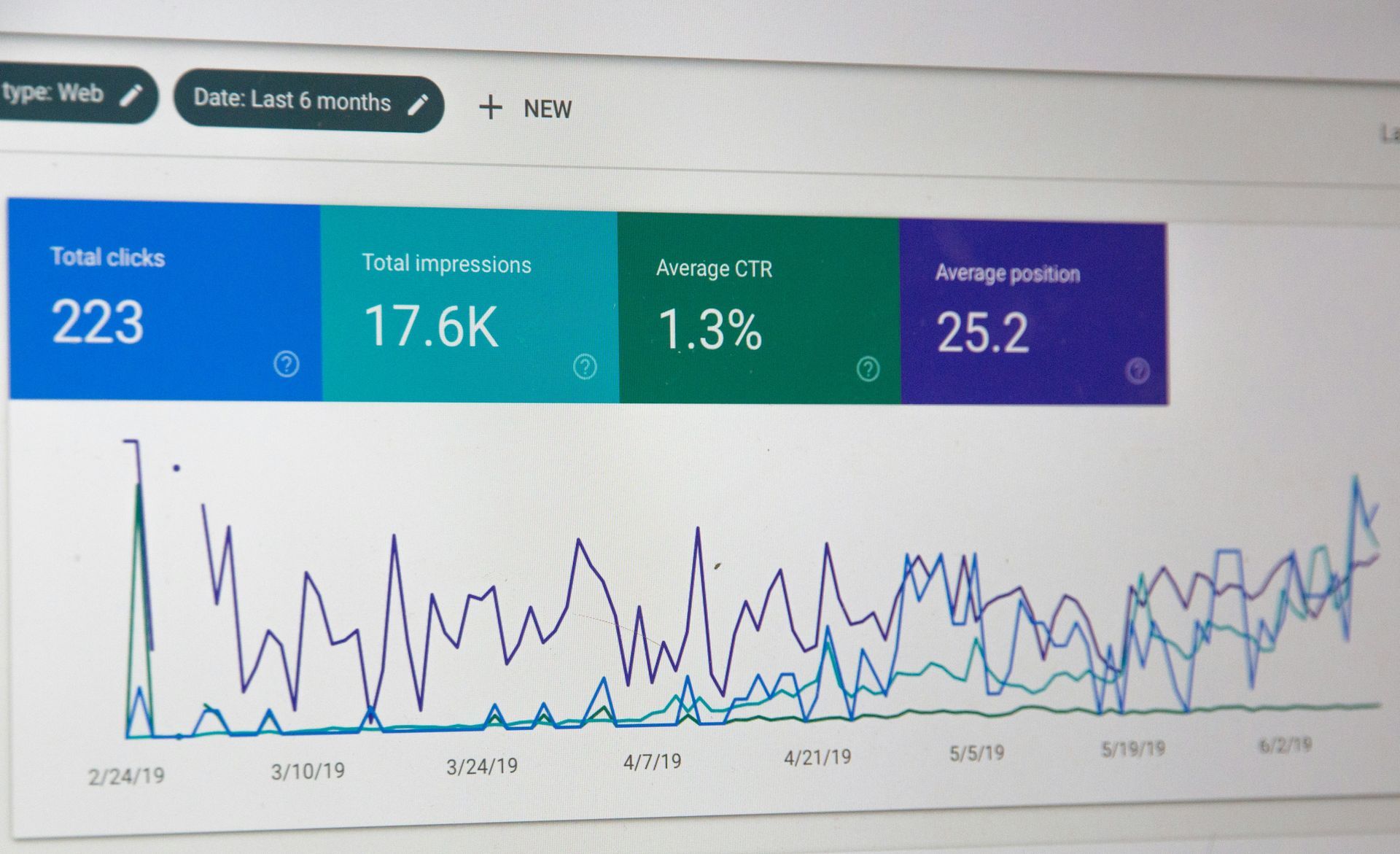
Search Engine Optimization (SEO)
This is the most fundamental and crucial part. SEO aims to make your website more appealing to search engines, leading to higher rankings in search results.
1. Search Engine Optimization (SEO)
- Keyword Research: Identify the keywords and phrases your target clients use when searching for services. Use tools like Google Keyword Planner or Ahrefs, SEMrush to find high-volume but lower-competition keywords.
- Content Optimization: Create high-quality, valuable content based on your keyword research. Ensure the content answers user questions, includes keywords without stuffing, and demonstrates professionalism and depth. For a website design company, this could involve blog posts on design trends, case studies, UX/UI tips, etc.
- Technical SEO:
- Website Speed: Ensure your website loads quickly, which is vital for both user experience and search rankings.
- Mobile-Friendliness: Your website must display and function well on mobile phones, tablets, and other devices.
- Website Structure: Build a clear, logical website structure and navigation that's easy for search engines to crawl and users to browse.
- HTTPS: Ensure your website uses the HTTPS secure protocol.
- Sitemap and Robots.txt: Submit a Sitemap to search engines to help them better index your website.
- Backlink Building: Obtain links from other high-quality, relevant websites, which boosts your website's authority. This can be achieved through collaborations, creating excellent content that naturally attracts links, or getting exposure on relevant forums and media.
- User Experience (UX) Optimization: Ensure your website is easy to navigate, content is readable, and the interface is intuitive. Search engines analyze metrics like dwell time and bounce rate to judge website quality.
2. Content Marketing
"Content is King" still holds true today. Attract your target audience by consistently producing valuable content.
- Blog: Regularly write blog posts related to website design, such as "How to Choose the Right Web Design Company," "2025 Web Design Trends," or "The Importance of Responsive Design." These articles not only attract potential clients interested in these topics but also boost your website's SEO performance.
- Case Studies: Share your past design projects, detailing how you solved client problems, achieved goals, and showcase the final results. This builds trust and a professional image.
- Portfolio: Optimize your portfolio page to display your best design work, with detailed descriptions.
- Guides or eBooks: Create more in-depth free resources, like "A Beginner's Guide to Website Design," for visitors to download, which can also help you collect leads.
- Video Content: Produce website design tutorials, case study videos, etc., upload them to YouTube or other video platforms, and drive traffic back to your website.
3. Social Media Marketing
Leverage social media platforms to expand your reach and drive traffic to your website.
- Choose the Right Platforms: Select platforms based on your target audience (e.g., LinkedIn for B2B and professionals, Instagram/Pinterest for visual design, Facebook for a broader audience).
- Share Valuable Content: Don't just share your website links; also share design tips, industry news, behind-the-scenes content that's helpful to your followers.
- Engage and Interact: Reply to comments, participate in relevant groups or communities to build a professional image.
- Utilize Visual Elements: Website design is highly visual; post plenty of design screenshots, animated demos, client project images, etc.
- Social Media Ads: Consider running paid ads to precisely target potential client demographics.
4. Paid Advertising
If you have a budget, paid advertising can quickly bring traffic and leads.
- Search Engine Ads (Google Ads): Display your ads on Google search results pages when users search for specific keywords.
- Social Media Ads (Facebook Ads, Instagram Ads, LinkedIn Ads): Run ads on social media platforms, allowing for precise targeting based on user interests, behaviors, demographics, etc.
- Retargeting Ads: Show ads again to users who previously visited your website but didn't convert.
5. Email Marketing
Build an email list to stay in touch with prospects and existing clients.
- Collect Emails: Offer valuable free resources on your website (e.g., eBooks, templates) to encourage users to subscribe.
- Send Newsletters: Regularly send newsletters sharing your latest work, industry insights, promotions, etc.
6. Partnerships and Affiliate Marketing
- Collaborate with Related Industries: For example, partner with marketing agencies, photographers, copywriters, and other related businesses to cross-refer clients.
- Influencer Marketing: Collaborate with influencers or opinion leaders in the design field to promote your services.
7. Offline Promotion and Word-of-Mouth
- Business Cards and Physical Collateral: Ensure your website URL is clearly visible on your business cards and marketing materials.
- Participate in Industry Events: Attend design-related exhibitions, conferences, and workshops to network with potential clients and peers.
- Build a Strong Reputation: This is the most crucial "advertisement." Provide excellent service, and satisfied clients will recommend you.
My Blog