
how to use the website for business growing ?
August 16, 2025
A website can be a powerful tool for business growth, but simply having one isn't enough. To use your website effectively, you need to think of it as a central hub for your online presence and a key part of your marketing and sales strategy.

Here are some of the key ways to use a website to grow your business:
1. Optimize Your Website for Customers and Search Engines
Your website needs to be functional and user-friendly for both your human visitors and search engine bots.
- User-Friendly Design: A clean, professional, and intuitive design is crucial. Your website should be easy to navigate with a clear menu and a logical structure. A confusing or cluttered website will drive people away.
- Mobile-First Approach: With a significant portion of web traffic coming from mobile devices, your website must be "responsive," meaning it adapts to any screen size. This is not just a user experience best practice but also a factor in your search engine ranking.
- Fast Loading Speeds: Visitors will leave a website that takes too long to load. Optimize your images and code to ensure your pages load quickly, which also helps with SEO.
- Compelling Content: Use high-quality, engaging content to showcase your products or services, build trust, and establish your authority in your industry. This includes well-written text, professional images, and videos.
- Clear Calls to Action (CTAs): A CTA is a button or link that prompts visitors to take a specific action, like "Buy Now," "Get a Free Quote," or "Subscribe to Our Newsletter." They should be visually distinct and use action-oriented language.
- Contact Information: Make it easy for potential customers to get in touch. Include your phone number, email address, physical address, and a simple contact form on your site.
2. Drive Traffic to Your Website
A website is useless if no one visits it. You need to actively promote it to attract potential customers.
- Search Engine Optimization (SEO): SEO is the process of optimizing your website to rank higher in search engine results (like Google). This is one of the most cost-effective ways to get "organic" (unpaid) traffic. Key SEO practices include:
- Keyword Research: Identify the words and phrases your target audience uses to search for products or services like yours.
- Content Creation: Create high-quality blog posts, articles, and other content that uses those keywords and answers your audience's questions.
- Backlinks: Get other reputable websites to link to your site. This signals to search engines that your website is a credible source of information.
- Content Marketing: Create and distribute valuable, relevant, and consistent content to attract and retain a clearly defined audience. A blog is a great way to do this, as it provides a platform to share expertise, drive traffic, and build trust.
- Social Media Integration: Use your social media channels to direct followers back to your website. Share links to your blog posts, product pages, or special offers. Your website should also have social media icons that allow visitors to easily follow you.
- Email Marketing: Build an email list by offering something of value in exchange for a visitor's email address (e.g., a free guide, a discount code). Use email marketing to stay in touch with your audience, nurture leads, and drive repeat business by directing them to new content or products on your website.
- Paid Advertising: Consider using Pay-Per-Click (PPC) advertising on platforms like Google Ads to get immediate, targeted traffic to your website.
3. Use Your Website as a Business Tool
A website is more than just a digital brochure; it can be an active part of your business operations.
- Lead Generation: Use forms, landing pages, and other tools to capture visitor information and turn them into leads.
- E-commerce: If you sell products, an e-commerce website allows customers to browse and make purchases at any time, from any location.
- Analytics: Use tools like Google Analytics to track visitor behavior. This data can tell you where your visitors come from, which pages they visit, how long they stay, and where they leave your site. This information is invaluable for making data-driven decisions to improve your website's performance.
- Customer Support: Your website can offer 24/7 customer support through a FAQ section, a contact form, or even a chatbot.
- Build Credibility: An "About Us" page that tells your company's story, along with customer testimonials and case studies, can build trust and show potential customers that you are a legitimate and reliable business.
My Blog

Designing a "good" website is a blend of art and science, combining aesthetics with functionality to create an effective and enjoyable user experience. Here's a comprehensive guide to designing a good website:
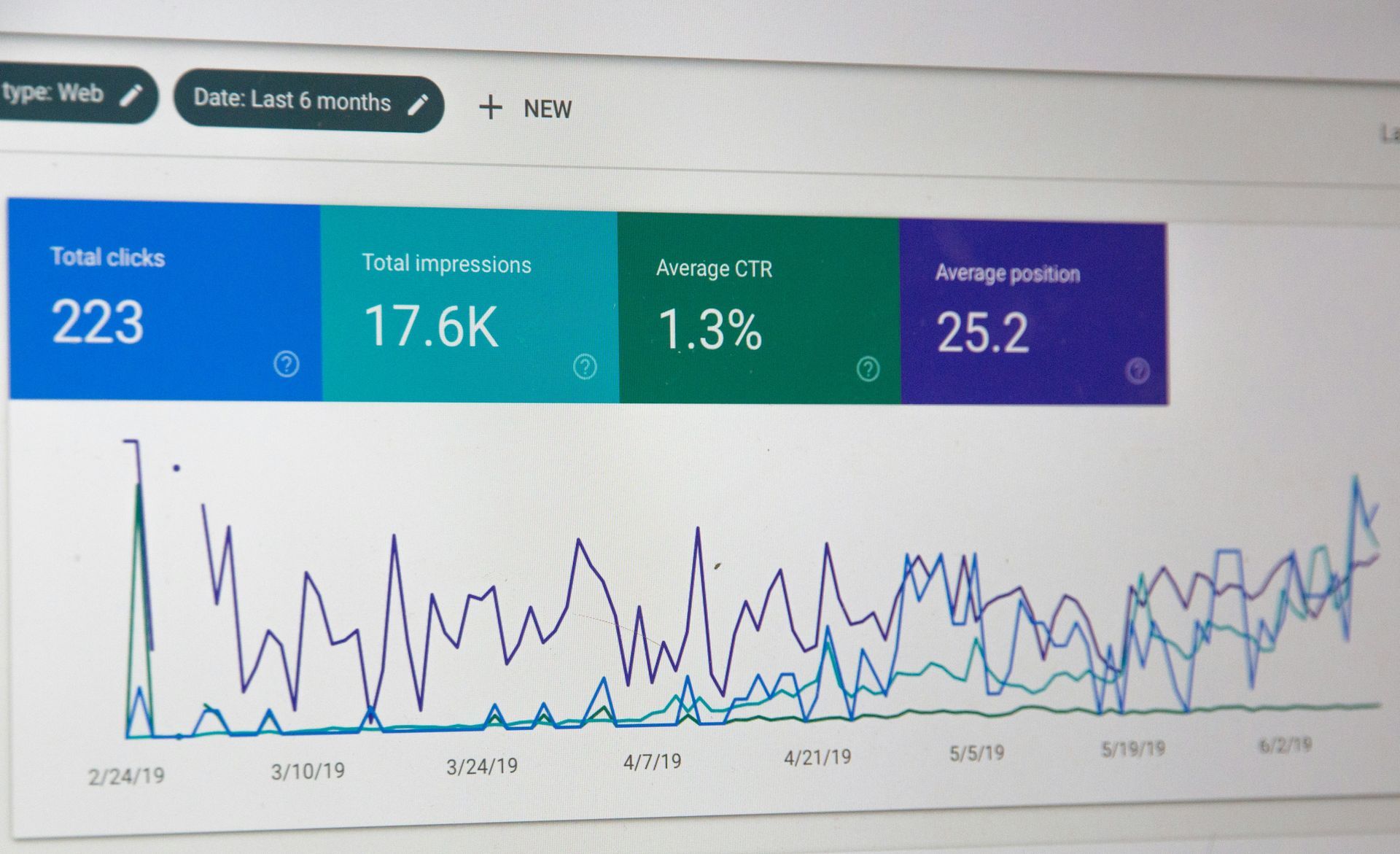
How to Get More People to Find Your Website To get more people to find your website, you need to employ a combination of online marketing strategies. Think of it like building a lighthouse: not only does it need to be sturdy and reliable itself (website design and content), but more ships need to see its light (promotion).